Understanding Your Jewelry’s Value
People request jewelry assessments for many different reasons. Some have inherited family jewelry and want to understand what they own. Others are considering selling a piece, applying for a pawn loan, or simply want a better understanding of its value before making a decision.
At Oro Express Mesa Pawn & Gold, our jewelry assessments are designed to help you understand the characteristics that influence your jewelry’s value. We carefully evaluate each piece using professional testing equipment, years of industry experience, and current market information to determine its authenticity, composition, and overall resale potential.
Unlike insurance or legal appraisals, our assessments focus on helping customers make informed decisions about their jewelry today. Whether you’re considering a pawn loan, selling your jewelry, or simply curious about what you have, we’ll explain our evaluation process and answer your questions in a clear, straightforward manner.
We assess a wide variety of jewelry, including gold jewelry, diamond jewelry, estate jewelry, antique jewelry, watches, platinum jewelry, silver jewelry, and many other valuable pieces. Every assessment is performed individually because no two pieces of jewelry are exactly alike.
Our goal isn’t simply to assign a number—it’s to help you understand why a piece has value and the factors that influence that value in today’s market.
What Is a Jewelry Assessment?
A jewelry assessment is a professional evaluation of your jewelry to determine its characteristics, authenticity, and current market value.
During the assessment, we examine the piece to identify the precious metals it contains, verify gemstones when applicable, evaluate craftsmanship, assess its overall condition, and consider current resale demand.
Every assessment is different because every piece of jewelry is different.
For example, a simple gold chain may be evaluated primarily for its precious metal content, while an engagement ring may require additional consideration for its diamond quality, setting, and overall craftsmanship. Estate jewelry often involves identifying older manufacturing techniques or designer characteristics, while luxury watches require a different evaluation process altogether.
Rather than relying on appearance alone, we use a combination of professional testing equipment and experienced evaluation techniques to build a complete understanding of each piece.
By the end of the assessment, you’ll have a much clearer understanding of what you have and the factors that contribute to its value.
Understanding Your Jewelry’s Value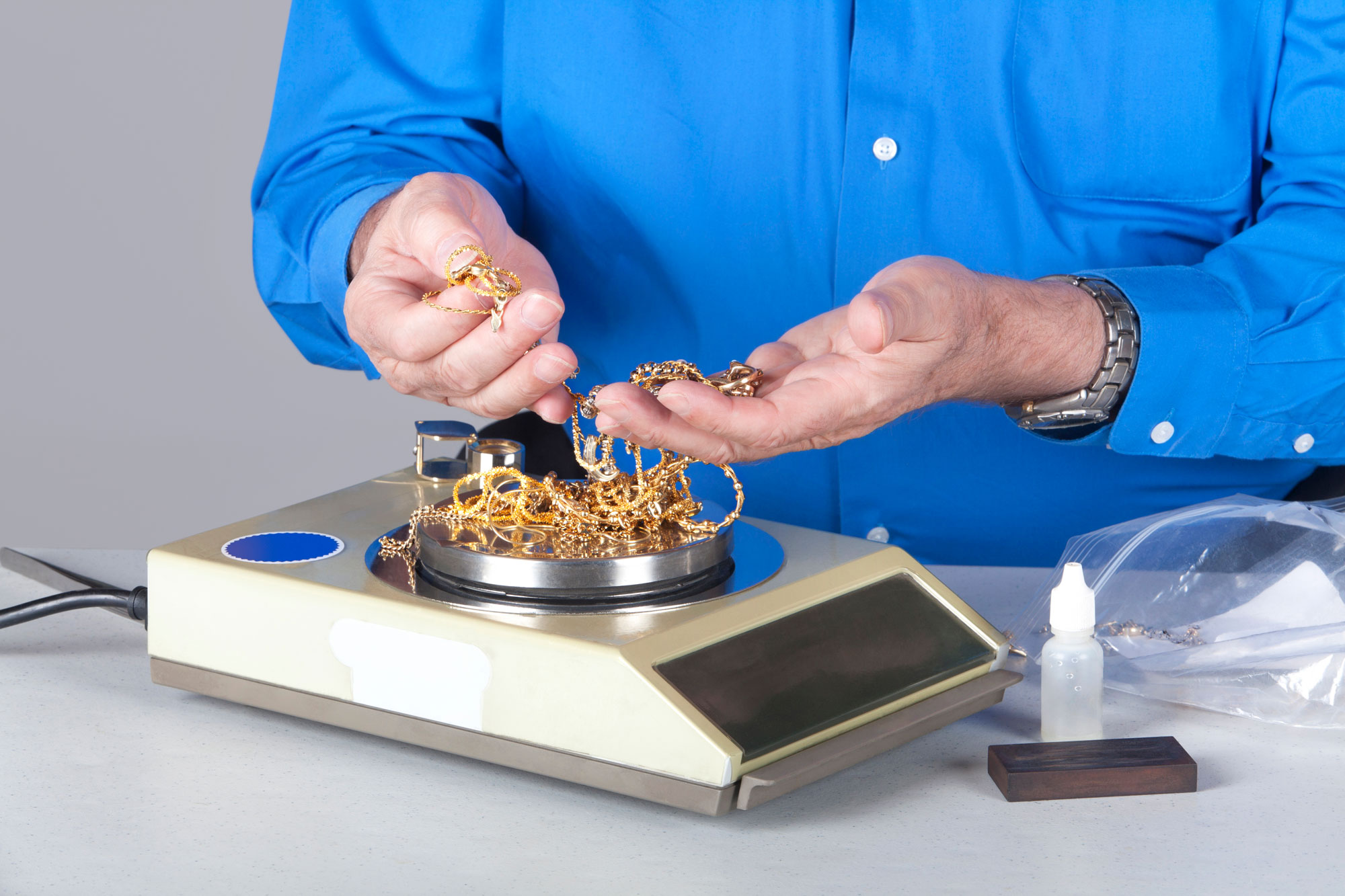
People request jewelry assessments for many different reasons. Some have inherited family jewelry and want to understand what they own. Others are considering selling a piece, applying for a pawn loan, or simply want a better understanding of its value before making a decision.
At Oro Express Mesa Pawn & Gold, our jewelry assessments are designed to help you understand the characteristics that influence your jewelry’s value. We carefully evaluate each piece using professional testing equipment, years of industry experience, and current market information to determine its authenticity, composition, and overall resale potential.
Unlike insurance or legal appraisals, our assessments focus on helping customers make informed decisions about their jewelry today. Whether you’re considering a pawn loan, selling your jewelry, or simply curious about what you have, we’ll explain our evaluation process and answer your questions in a clear, straightforward manner.
We assess a wide variety of jewelry, including gold jewelry, diamond jewelry, estate jewelry, antique jewelry, watches, platinum jewelry, silver jewelry, and many other valuable pieces. Every assessment is performed individually because no two pieces of jewelry are exactly alike.
Our goal isn’t simply to assign a number—it’s to help you understand why a piece has value and the factors that influence that value in today’s market.
What Is a Jewelry Assessment?
A jewelry assessment is a professional evaluation of your jewelry to determine its characteristics, authenticity, and current market value.
During the assessment, we examine the piece to identify the precious metals it contains, verify gemstones when applicable, evaluate craftsmanship, assess its overall condition, and consider current resale demand.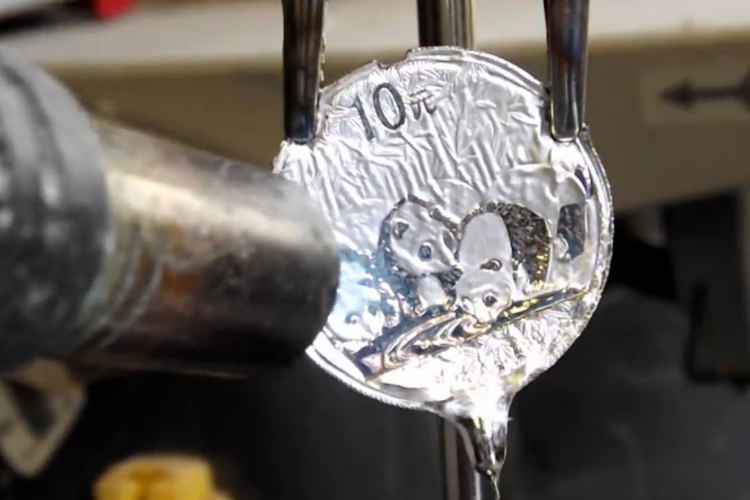
Every assessment is different because every piece of jewelry is different.
For example, a simple gold chain may be evaluated primarily for its gold, platinum, and sterling silver content, while an engagement ring may require additional consideration for its diamond quality, setting, and overall craftsmanship. Estate jewelry often involves identifying older manufacturing techniques or designer characteristics, while luxury watches require a different evaluation process altogether.
Rather than relying on appearance alone, we use a combination of professional testing equipment and experienced evaluation techniques to build a complete understanding of each piece.
By the end of the assessment, you’ll have a much clearer understanding of what you have and the factors that contribute to its value.
How We Assess Jewelry
Every jewelry assessment begins with a simple question:
“What exactly do we have?”
While two rings may appear nearly identical at first glance, they can differ significantly in precious metal content, gemstone quality, craftsmanship, age, designer, and overall market demand. That’s why every piece is assessed individually rather than using a one-size-fits-all approach.
Our goal is to understand the complete piece—not just one component of it.
Step 1: Visual Inspection
Every assessment starts with a careful visual examination.
Before using any testing equipment, we inspect the jewelry to identify characteristics that help us understand how it was made and what materials it may contain.
During this inspection, we may examine:
- Precious metal hallmarks
- Designer or manufacturer’s marks
- Gemstone settings
- Construction methods
- Signs of previous repairs or resizing
- Overall craftsmanship
- Wear and condition
- Missing stones or damaged components
This initial inspection often provides valuable information that helps guide the rest of the assessment.
Step 2: Verifying the Precious Metal
Once we’ve examined the piece, we verify the precious metal.
Depending on the jewelry, this may include identifying:
- Gold
- Platinum
- Sterling silver
- Other precious metals
Rather than relying solely on hallmarks, we use professional testing methods to help confirm the composition of the metal.
This allows us to distinguish between solid precious metals, plated jewelry, and other materials that may appear similar at first glance.
Step 3: Evaluating Gemstones
If the jewelry contains gemstones, they become an important part of the assessment.
Diamonds are evaluated differently than colored gemstones, and each requires its own approach.
When appropriate, we use professional gemstone testing equipment to help verify the type of stone before evaluating its overall characteristics.
Depending on the piece, we may consider:
- Stone type
- Size
- Shape
- Overall quality
- Setting
- Condition
- Whether the stone is natural or laboratory-grown when it can be determined through appropriate evaluation methods
Every gemstone is assessed as part of the complete piece rather than in isolation.
Step 4: Measuring Weight
Weight plays an important role in many jewelry assessments.
Using precision digital scales, we accurately weigh the piece to determine the amount of precious metal it contains.
For precious metal jewelry, weight works together with purity to help establish the metal’s intrinsic value.
However, weight is never the only factor.
A heavier piece isn’t automatically more valuable if other characteristics differ significantly.
Step 5: Evaluating Craftsmanship and Overall Design
Jewelry is more than precious metal and gemstones.
The quality of its construction can also influence its desirability.
During the assessment, we may consider:
- Overall craftsmanship
- Design complexity
- Manufacturing quality
- Brand or designer
- Original components
- Completeness of the piece
For example, a well-crafted designer bracelet may appeal to buyers differently than a mass-produced piece containing similar materials.
Step 6: Understanding Today’s Market
Every jewelry assessment reflects today’s market—not yesterday’s.
The resale demand for jewelry changes over time as precious metal prices fluctuate, consumer preferences evolve, and supply and demand shift.
That’s why we consider current market conditions as part of every assessment.
Rather than relying on outdated pricing or original retail cost, we evaluate the jewelry based on its characteristics and today’s marketplace.
Professional Equipment Supports Every Assessment
Professional equipment plays an important role in helping us evaluate jewelry accurately.
Depending on the piece, our assessment process may include equipment designed to verify precious metals, evaluate gemstones, and accurately measure weight.
Technology provides valuable information, but it doesn’t replace experience.

Interpreting that information requires an understanding of jewelry construction, precious metals, gemstones, and current resale demand. That’s why every assessment combines professional tools with knowledgeable evaluation.
Our assessment process utilizes professional equipment including the Sigma Metalytics Precious Metal Verifier for precious metal verification, the Presidium Gem Tester to help identify many gemstones, precision digital scales for accurate weight measurements, and Entrupy authentication technology when evaluating qualifying luxury handbags. These tools help support accurate assessments while allowing us to explain our findings with confidence.
We Explain What We Find
One of the things customers appreciate most is that we take the time to explain our assessment.
We’ll discuss:
- What your jewelry is made of
- The characteristics we identified
- The factors that influence its value
- How we arrived at our assessment
- Any questions you have about the piece
Our goal is to provide more than an evaluation—we want you to leave with a better understanding of your jewelry.
Whether you decide to pawn it, sell it, or simply keep it, you’ll have a clearer picture of what you own and why it has value.
What Determines the Value of Jewelry?
One of the most common misconceptions about jewelry is that its value is determined by a single factor.
In reality, a professional jewelry assessment considers many different characteristics. Two pieces may look nearly identical at first glance yet have significantly different values because of the materials they’re made from, the quality of their craftsmanship, or the demand for that type of jewelry in today’s market.
Rather than relying on a formula, we evaluate the complete piece to develop a fair and accurate assessment.
Precious Metal Content
For many pieces, the precious metal forms the foundation of the assessment.
Gold, platinum, and sterling silver each have their own characteristics and market values.
When evaluating precious metals, we consider factors such as:
- Metal type
- Purity
- Overall weight
- Construction
- Current precious metal market conditions
While precious metal content is important, it is rarely the only factor that determines value.
Gemstones
Jewelry containing gemstones requires additional evaluation.
Natural diamonds, colored gemstones, and laboratory-grown diamonds are all evaluated differently because they serve different markets.
Depending on the jewelry, we may consider:
- Stone type
- Size
- Overall quality
- Number of stones
- Condition
- How the stones are set
The gemstones are always evaluated as part of the complete piece rather than independently.
Craftsmanship
The way a piece is made can significantly influence its desirability.
Attention to detail, manufacturing quality, and overall design all contribute to how jewelry is perceived in today’s resale market.
For example, two gold bracelets containing the same amount of gold may differ in value because one demonstrates superior craftsmanship or more desirable construction.
Designer and Manufacturer
Some jewelry is recognized not only for the materials it’s made from but also for the company or designer that created it.
Well-known jewelry houses and respected manufacturers often maintain stronger resale demand because buyers recognize their reputation for quality and craftsmanship.
When applicable, this becomes another factor in the overall assessment.
Condition
Condition is an important part of every jewelry assessment.
During the evaluation, we may look for:

- Excessive wear
- Missing stones
- Broken clasps
- Bent prongs
- Previous repairs
- Surface damage
- Overall structural integrity
Normal wear is expected on jewelry that has been enjoyed over the years. Our assessment considers the piece as a whole while recognizing that many items continue to have significant value despite signs of everyday use.
Age Doesn’t Always Determine Value
Many customers assume that older jewelry is automatically worth more.
Sometimes that’s true—but often it isn’t.
Age alone doesn’t determine value.
Some modern pieces may have stronger resale demand than older jewelry, while certain antique or estate pieces may be especially desirable because of their craftsmanship, rarity, or historical appeal.
Every piece is evaluated individually based on its own characteristics rather than its age alone.
Current Market Demand
Jewelry values don’t exist in isolation.
They are influenced by today’s marketplace.
Changes in precious metal prices, consumer preferences, designer popularity, and demand for certain styles all contribute to how jewelry is evaluated.
That’s why two assessments performed years apart may produce different results, even when the jewelry itself hasn’t changed.
Our assessments reflect current market conditions at the time the jewelry is evaluated.
Why Two Similar Pieces May Have Different Values
This is one of the questions we hear most often.
Imagine two yellow gold rings that appear almost identical.
Both weigh nearly the same, and both contain a single diamond.
At first glance, it might seem reasonable to expect them to have the same value.
However, one ring may contain a higher-quality diamond, feature better craftsmanship, come from a recognized designer, or simply appeal to today’s buyers more than the other.
The same principle applies to necklaces, bracelets, earrings, pendants, watches, and estate jewelry.
Every assessment looks beyond appearance to understand what truly contributes to the jewelry’s value.
That’s why we evaluate each piece individually rather than relying on assumptions or comparing it to something that merely looks similar.
Can I Have My Jewelry Assessed Without Selling or Pawning It?
Absolutely.
Many people assume they need to make a decision before bringing their jewelry in for an assessment. That’s not the case.
Some customers simply want to better understand what they own. Others have inherited jewelry from a family member, discovered old pieces while organizing their home, or are curious whether a ring, necklace, or bracelet contains precious metals or genuine gemstones.
A professional jewelry assessment gives you the opportunity to learn more about your jewelry before deciding what, if anything, you’d like to do next.
There Is No Pressure to Make a Decision
Every customer has a different reason for requesting a jewelry assessment.
You may be considering:
- A pawn loan
- Selling your jewelry
- Dividing an estate
- Identifying inherited pieces
- Learning more about a family heirloom
- Confirming whether jewelry contains precious metals
- Understanding the characteristics of a diamond or gemstone
Whatever brings you in, our goal is to provide information—not pressure.
We’ll explain our findings, answer your questions, and allow you to decide whether you would like to move forward with a pawn loan, sell your jewelry, or simply take your jewelry home.
An Assessment Helps You Make an Informed Decision
Understanding your jewelry often makes it easier to decide what to do next.
For example, you may discover:
- Your jewelry contains more precious metal than you expected.
- A family heirloom has characteristics you weren’t aware of.
- A diamond is natural or laboratory-grown.
- A piece has collectible appeal beyond its precious metal content.
- A sentimental item is worth keeping rather than selling.
Every assessment provides information that can help you make a confident decision based on your own circumstances.
Ask Questions Throughout the Process
We encourage customers to ask questions during their assessment.
If there’s something you don’t understand, we’ll do our best to explain it in straightforward language.
Common questions include:
- What type of gold is this?
- Is this diamond natural or laboratory-grown?
- What do these markings mean?
- Is this sterling silver or silver-plated?
- Why is one piece worth more than another?
- Does the condition affect the value?
We believe understanding the process is just as valuable as understanding the result.
If You Decide to Move Forward
Once we’ve completed the assessment, the decision is entirely yours.
If you’d like to obtain a pawn loan, we’ll explain your options and review the loan terms.
If you’d rather sell your jewelry, we’ll discuss that option as well.
And if you simply wanted to learn more about your jewelry, you’re welcome to take it with you. There is no obligation to pawn or sell after your assessment.
Our role is to provide an honest, professional evaluation so you can make the decision that’s right for you.
A Jewelry Assessment Starts With a Conversation
Whether you’re bringing in a single ring or an entire jewelry collection, every assessment begins the same way—with a conversation.
We’ll ask a few questions about your jewelry, examine each piece carefully, explain what we find, and answer any questions you have along the way.
Our goal is to make the process informative, transparent, and comfortable from beginning to end, so you leave with a better understanding of your jewelry and the confidence to decide what comes next.