Mesa Gold Buyer: Professional Gold Evaluations & Competitive Offers
Gold prices change throughout every trading day, but determining what your gold is worth involves more than simply checking the current market price or reading the stamp inside a piece of jewelry.
At Oro Express Mesa Pawn & Gold, we first determine exactly what you have. We identify the item, verify authenticity and purity, weigh it accurately using certified scales, and consider current precious-metal prices along with any additional resale, collectible, or designer value.

Whether you’re selling a broken gold chain, inherited jewelry, investment bullion, dental gold, collectible coins, or an entire collection, our goal is to provide a careful evaluation, explain the factors that affect value, and make a competitive cash offer based on today’s market.
Every evaluation is free, there is no obligation to sell, and our team is happy to explain the process and answer questions before you make a decision.
Table of Contents
- Why Selling Gold Is Different
- How We Professionally Evaluate Gold
- Professional Equipment Supports Accurate Evaluations
- Why Two Gold Items Can Have Very Different Values
- The Different Types of Gold We Buy
- When Gold Is Worth More Than Its Weight
- Understanding Today’s Gold Market
- Preparing to Sell Your Gold
- Frequently Asked Questions About Selling Gold
- Gold Buyer Resources
- Why Choose Oro Express Mesa Pawn & Gold
- Visit Oro Express Mesa Pawn & Gold Today
Why Selling Gold Is Different
Gold can have value in more than one market.
The first is the global precious-metals market, where gold is traded as a commodity and its price changes throughout the trading day. The second is the resale and collector market, where jewelry, bullion, coins, watches, and other pieces may be worth more than the gold they contain.

Two gold necklaces with the same weight can have very different values if one is a recognized designer piece while the other is valued primarily for its metal content. Likewise, two one-ounce gold coins can contain the same amount of gold but trade at different prices because of rarity, condition, mint, or collector demand.
That is why we don’t use a single formula for every item. We evaluate each piece according to the market where it has the greatest value.
What Determines the Value of Gold?
The current gold price is important, but it is only one part of the evaluation. Depending on the item, we may also consider:
- Gold purity
- Total weight
- Bullion or coin premiums
- Craftsmanship
- Designer or maker
- Condition
- Collectibility
- Historical significance
- Current resale demand
The combination of these factors determines how we evaluate the item and the offer we can make.
Understanding Gold Purity

One of the first steps in evaluating gold is determining its purity.
Pure gold is measured as 24 karat, while most jewelry is produced using alloys that combine gold with other metals to improve durability, color, and strength.
Common purities include:
| Purity | Gold Content |
|---|---|
| 10K | 41.7% Gold |
| 14K | 58.5% Gold |
| 18K | 75.0% Gold |
| 22K | 91.7% Gold |
| 24K | 99.9% Gold |
Higher purity means a greater percentage of the item’s weight is gold, but purity alone does not determine value. Weight, craftsmanship, collectibility, gemstones, condition, and current market demand can also affect what a piece is worth.
Some items also combine multiple precious metals or contain gemstones, requiring additional evaluation before a final offer can be made.
How We Professionally Evaluate Gold
Every piece of gold that enters our store follows the same philosophy: before we determine what it’s worth, we first determine exactly what it is.
Gold evaluations involve much more than checking for a karat stamp or weighing a piece of jewelry. Counterfeit items, altered jewelry, plated metals, repaired pieces, and collectible products all require careful examination before an accurate value can be determined.
Our evaluation process combines professional testing equipment, current precious metals markets, and years of buying experience to ensure every offer reflects the item’s actual value.
While every piece of gold is unique, most evaluations follow the same five-step process.
Step 1 – Identify the Item
The first step is identifying exactly what you’ve brought into the store.
Not all gold is created for the same purpose, and different types of gold are evaluated differently.
For example, we may be evaluating:
- Gold rings
- Gold necklaces
- Bracelets
- Earrings
- Charms
- Gold coins
- Gold bullion bars
- Gold rounds
- Estate jewelry
- Antique jewelry
- Scrap gold
- Broken jewelry
- Dental gold
Although each item contains gold, the factors that determine its value may be completely different.
A collectible gold coin may be worth substantially more than its gold content, while a broken bracelet may be valued primarily for the precious metal it contains.
Proper identification is the foundation of every professional evaluation.
Step 2 – Verify Authenticity
After identifying the item, we verify that it is genuine.
Unfortunately, counterfeit precious metals have become increasingly sophisticated. Modern manufacturing techniques make it possible to produce plated jewelry and imitation bullion that closely resemble genuine gold.
Because of this, authenticity is never assumed.
Our buyers examine factors such as:
- Hallmarks
- Karat markings
- Manufacturer stamps
- Construction methods
- Color consistency
- Weight characteristics
- Wear patterns
- Overall workmanship
When appropriate, we also verify precious metal content using our Sigma Metalytics Precious Metal Verifier, which helps distinguish genuine precious metals from plated or counterfeit materials without damaging the item.
Authenticating every piece protects both our customers and our business while ensuring every evaluation begins with accurate information.
Step 3 – Determine Gold Purity
Once authenticity has been established, we determine the purity of the gold.
Gold jewelry is manufactured in different karat ratings, each containing a different percentage of pure gold.
Determining purity is one of the most important steps because even two items that appear identical may contain significantly different amounts of gold.
Rather than relying solely on stamped markings, our buyers evaluate multiple characteristics before determining purity.
This helps ensure every item is evaluated accurately and fairly.
Step 4 – Accurately Measure Weight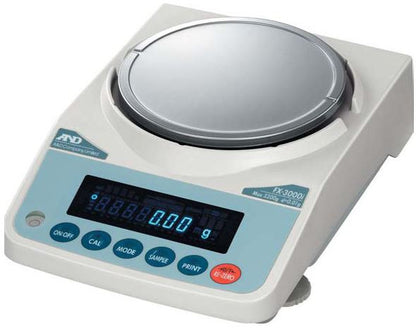
After purity has been determined, the item is weighed using certified precision scales.
Weight plays an important role in determining value, but only after purity has been established.
For example, ten grams of 10-karat gold contains much less pure gold than ten grams of 18-karat gold.
Our scales provide precise measurements that allow us to accurately calculate precious metal content while also considering any additional value the item may possess.
For bullion products, weight verification is also an important part of confirming authenticity and market value.
Step 5 – Determine Current Market Value
Once we know exactly what the item is, confirm it is genuine, determine its purity, and accurately measure its weight, we evaluate its value using today’s market conditions.
Gold prices fluctuate throughout every trading day, so current market conditions always play an important role in the evaluation process.
However, the current spot price is only one part of the equation.
Our buyers also consider:
- Jewelry craftsmanship
- Designer brands
- Collectibility
- Historical significance
- Bullion premiums
- Coin premiums
- Overall condition
- Current resale demand
Some pieces are worth primarily their precious metal value, while others command significant premiums because of their craftsmanship, rarity, or collector appeal.
Because we evaluate gold using current market conditions rather than fixed pricing formulas, our offers remain competitive as the market changes.
Because gold prices and resale markets change, we base our offers on current market conditions rather than relying on static price lists. If you’ve received another legitimate offer for your gold, let us know and we’ll consider it as part of our evaluation.
If you’ve received another legitimate offer, let us know. We don’t require written estimates, and we’ll review your offer as part of our commitment to paying competitive market prices.
Professional Equipment Supports Accurate Evaluations
Experience is invaluable, but professional equipment provides the objective information needed to support every evaluation.
At Oro Express Mesa Pawn & Gold, our buyers use tools designed specifically for evaluating precious metals and jewelry.
These include:
- Sigma Metalytics Precious Metal Verifier for verifying precious metal authenticity without damaging the item.
- Certified precision scales for accurate weight measurements.
- Presidium Diamond Tester for identifying natural diamonds.
- Presidium Moissanite Tester for distinguishing moissanite from diamonds.
- Jeweler’s microscope and magnification equipment for examining hallmarks, craftsmanship, wear patterns, and manufacturing details.
Using professional equipment allows us to verify important characteristics rather than relying on assumptions. It also gives customers confidence that their gold is being evaluated carefully, consistently, and professionally.
Why Two Gold Items Can Have Very Different Values
One of the most common questions we hear is:
“My necklace weighs about the same as another one. Why is it worth less?”
Weight is only one part of the evaluation.
Two pieces that appear almost identical may differ in several important ways, including:
- Gold purity
- Designer or luxury branding
- Craftsmanship
- Age
- Condition
- Historical significance
- Collectibility
- Current market demand
For example, a vintage Tiffany & Co. gold bracelet may be worth considerably more than a generic bracelet containing the same amount of gold because buyers value both the precious metal and the brand.
Similarly, a rare U.S. gold coin may sell for far more than its melt value because collectors are purchasing its history and rarity, not just its gold content.
Understanding these differences is what separates a professional gold evaluation from simply calculating melt value.
The Different Types of Gold We Buy
Gold comes in many forms, and each type is evaluated differently. While all gold contains precious metal, the factors that determine its value can vary significantly depending on whether it’s jewelry, bullion, collectible coins, estate pieces, or scrap gold.
Rather than applying the same formula to every item, we evaluate each piece according to the market where it has the greatest value. In some cases, an item’s worth is determined almost entirely by its gold content. In others, craftsmanship, rarity, brand recognition, or collector demand may contribute significantly more than the precious metal itself.
Understanding these differences helps ensure every customer receives an accurate evaluation based on what they actually own.
Gold Jewelry
Gold jewelry is one of the most common categories we evaluate, but no two pieces are exactly alike.
A professional evaluation considers much more than the karat stamp inside a ring or necklace. Our buyers examine the purity of the gold, total weight, craftsmanship, condition, design, and any gemstones or diamonds that may influence overall value.
Designer jewelry from recognized brands may command a premium beyond its gold content, while custom-made or antique pieces often require additional evaluation because of their uniqueness and desirability.
Whether your jewelry is modern, vintage, broken, or inherited, every piece is evaluated individually rather than grouped together under a generic gold price.
Common examples include:
- Rings
- Wedding bands
- Necklaces
- Chains
- Bracelets
- Earrings
- Pendants
- Charms
- Anklets
- Brooches
- Religious jewelry
Scrap Gold
Many customers are surprised to learn that damaged jewelry can still have significant value.
Broken chains, single earrings, bent rings, mismatched jewelry, and pieces with missing stones are often purchased for their precious metal content. Gold does not lose its intrinsic value simply because a clasp is broken or a stone has fallen out.
During the evaluation, we determine the purity and weight of the gold while also considering whether the piece has value beyond its melt content.
If not, it may still be worth a substantial amount based solely on the precious metal it contains.
Don’t assume damaged jewelry belongs in a drawer or the trash. Even pieces that appear worn out may still represent meaningful value.
Gold Coins
Gold coins require specialized knowledge because many are worth considerably more than the gold they contain.
Some coins are purchased primarily as bullion investments, while others are highly sought after by collectors because of their rarity, historical significance, limited mintages, or condition.
When evaluating gold coins, our buyers consider factors such as:
- Gold content
- Date
- Mint mark
- Country of origin
- Condition
- Certification
- Collector demand
- Current bullion market
Whether you have modern bullion coins or older collectible pieces, professional evaluation helps determine whether the coin’s value extends beyond its precious metal content.
Gold Bullion
Investment bullion is one of the most straightforward forms of gold to evaluate because it is produced specifically for precious metal investment.
Bullion products may include:
- Gold bars
- Gold rounds
- Government-issued bullion coins
- Private mint bullion
Although bullion closely follows the current spot price of gold, individual products may also carry premiums based on manufacturer reputation, market demand, and liquidity.
Every bullion product is verified for authenticity before its value is determined, helping protect both buyers and sellers while ensuring an accurate evaluation.
Estate and Antique Gold Jewelry
Estate jewelry often tells a story that extends beyond the value of its gold.
Older pieces may feature hand craftsmanship, discontinued manufacturing techniques, historical design styles, or unique gemstone settings that distinguish them from modern jewelry.
Rather than automatically valuing estate jewelry based solely on melt value, we carefully examine whether the piece has additional value because of its craftsmanship, age, rarity, or desirability.
Many inherited pieces deserve a closer look before assumptions are made about their worth.
Gold Watches
Gold watches combine precious metals with fine mechanical engineering and luxury craftsmanship.
Unlike ordinary gold jewelry, many luxury watches derive a substantial portion of their value from the manufacturer, movement, originality, service history, and collector demand.
Brands such as Rolex, Patek Philippe, Audemars Piguet, Cartier, Omega, and others often command values that extend well beyond the gold contained in the case or bracelet.
During the evaluation, our buyers consider both the precious metal content and the watch itself as a complete luxury timepiece.
Dental Gold
Dental gold is another category many customers overlook.
Crowns, bridges, and other dental restorations frequently contain valuable precious metal alloys. Because the composition can vary, proper evaluation requires identifying the alloy and estimating its precious metal content before determining value.
Even small quantities of dental gold may be worth more than many people expect.
Understanding Today’s Gold Market
One of the most common questions we hear is:
“Gold is at an all-time high. Why?”
The answer is that gold is traded around the world every business day, and its price changes constantly in response to global economic activity. Unlike many consumer products with fixed prices, gold behaves more like stocks or other commodities, with values rising and falling throughout the trading day.
Because of this, the value of your gold today may be different than it was last week, last month, or even yesterday.
Understanding how the gold market works helps explain why professional evaluations rely on current market conditions rather than outdated price lists or original purchase prices.
What Is the Spot Price of Gold?
The spot price is the current market price for one troy ounce of pure gold traded in global commodity markets.
It serves as the foundation for pricing nearly every gold product, including jewelry, bullion, coins, and other precious metal items.
However, the spot price is only the starting point of a professional evaluation.
Very few gold items consist of one troy ounce of pure 24-karat gold. Most jewelry contains alloy metals, many items vary in purity, and collectible products may have additional value beyond their gold content.
For that reason, the spot price is used as a reference rather than the final value of an item.
Why Does Gold Change Price Every Day?
Gold responds to many of the same economic forces that influence financial markets around the world.
Although no single factor determines its price, gold often reacts to changes such as:
- Inflation
- Interest rates

- Economic uncertainty
- Central bank activity
- Currency strength
- Global supply and demand
- Investor sentiment
- International events
Because these conditions continually evolve, gold prices move throughout every trading day.
That’s why professional buyers monitor current markets instead of relying on outdated pricing information.
Why Isn’t Every Gold Item Worth the Spot Price?
This is probably the biggest misconception people have when selling gold.
The spot price represents pure 24-karat gold traded in wholesale commodity markets, not finished jewelry or consumer products.
Most gold jewelry contains alloys that improve durability, meaning only a percentage of the total weight is actually pure gold.
In addition, every item must first be evaluated for:
- Purity
- Weight
- Authenticity
- Condition
- Marketability
- Refining considerations
- Potential collectible value
Only after these factors have been considered can a fair market value be determined.
Some Gold Is Worth More Than Melt Value
Many customers are pleasantly surprised to learn that some gold items are worth considerably more than the value of their precious metal alone.
Examples include:
- Luxury designer jewelry
- Rare gold coins
- Limited-edition bullion
- Antique jewelry
- Signed jewelry
- High-end watches
- Historical pieces
Collectors often purchase these items because of craftsmanship, rarity, history, or brand recognition rather than simply the amount of gold they contain.
Our evaluation process is designed to identify these opportunities whenever possible before determining whether an item should be valued primarily as precious metal or as a collectible.
Why Original Purchase Price Doesn’t Determine Value
Many customers remember exactly what they paid for a piece of jewelry years ago.
While that information is interesting, it usually isn’t the factor that determines today’s market value.
Gold prices have changed dramatically over the years. Consumer retail pricing also includes manufacturing, distribution, marketing, and retail overhead that don’t necessarily reflect today’s resale market.
Instead of relying on original purchase prices, professional buyers evaluate an item according to today’s precious metals market and its current resale potential.
This provides a much more accurate picture of what the item is worth today.
Why We Monitor the Gold Market Every Day
Because gold prices continually change, our buyers stay informed about current precious metals markets rather than relying on static pricing guides.
Monitoring the market allows us to evaluate gold using today’s conditions, helping ensure offers reflect current values instead of outdated information.
Combined with professional testing equipment, accurate purity verification, and years of experience evaluating precious metals, current market knowledge is an essential part of every professional gold evaluation.
Preparing to Sell Your Gold
Selling gold doesn’t have to be complicated, but a little preparation can help make the evaluation process smoother and ensure you have a better understanding of what you’re bringing in. Whether you’re selling a single ring or an entire estate collection, taking a few minutes to gather your items and any available information can make your visit more efficient.
Remember, you don’t need to know the purity of your gold or determine its value before you arrive. That’s what our professional evaluation process is designed to do.
Gather All of Your Gold Items
Many people discover valuable gold items throughout their home once they begin looking. Instead of bringing in only the pieces you know about, take a few minutes to check jewelry boxes, dresser drawers, safes, storage bins, and inherited collections.
Common items include:
- Gold rings and wedding bands
- Broken chains and necklaces
- Bracelets and earrings
- Charms and pendants
- Gold coins
- Gold bullion
- Class rings
- Watches
- Dental gold
- Mismatched or single earrings
- Scrap gold jewelry
Even small or damaged items may still contain valuable precious metals.
Don’t Throw Away Broken Jewelry
One of the biggest misconceptions is that damaged jewelry has little or no value.
Broken clasps, tangled chains, bent rings, jewelry missing stones, and single earrings are frequently worth purchasing because of the gold they contain. While these pieces may no longer have retail value as jewelry, the precious metal itself can still be valuable.
If you’re unsure whether something has value, bring it with you. We’ll evaluate it as part of your free, no-obligation evaluation.
Bring Any Available Documentation
Although documentation isn’t required, it can sometimes provide useful information during the evaluation process.
Examples include:
- Original purchase receipts
- Certificates of authenticity
- Coin grading certificates
- Original packaging
- Luxury watch paperwork
- Designer jewelry boxes
- Service records for watches
These documents won’t automatically increase an item’s value, but they may help establish authenticity, provenance, or collector interest for certain items.
Don’t Worry About Cleaning Your Gold
Many customers clean their jewelry before bringing it in, believing it will improve its value.
In most cases, this isn’t necessary.
Professional buyers evaluate the gold itself, not how shiny it appears. In fact, aggressive cleaning methods can sometimes damage antique jewelry, collectible coins, or delicate finishes.
It’s generally best to leave your items in their current condition and allow them to be evaluated as they are.
Separate Items If Possible
If you’re bringing in a large collection, separating items into general categories can help streamline the evaluation.
For example:
- Gold jewelry

- Gold coins
- Bullion
- Watches
- Sterling silver
- Costume jewelry
Don’t worry if everything is mixed together. Our buyers are happy to sort through collections, but organizing items ahead of time may make the process faster.
Large Collections Are Welcome
Whether you’re selling a few pieces of jewelry or liquidating an entire estate, our buyers are equipped to evaluate collections of virtually any size.
Customers frequently bring us:
- Estate jewelry collections
- Inherited valuables
- Coin collections
- Investment bullion
- Safety deposit box contents
- Family heirlooms
- Retirement collections
Because larger collections take additional time to evaluate properly, appointments are recommended for collections expected to exceed approximately $5,000 in value. Walk-ins are always welcome, but scheduling ahead allows us to dedicate the appropriate time to your evaluation.
Frequently Asked Questions About Selling Gold
Even if you’ve never sold gold before, the process is usually much simpler than most people expect. Below are answers to some of the questions we hear most often from customers visiting Oro Express Mesa Pawn & Gold.
How much is my gold worth?
The value depends on several factors, including the purity of the gold, its weight, current market conditions, authenticity, and whether the item has value beyond its precious metal content. Every item is evaluated individually, so the only way to determine its value is through a professional evaluation.
Do I need an appointment?
No. Walk-ins are welcome during normal business hours, and every evaluation is free and carries no obligation to sell.
Appointments are recommended only for large collections or evaluations expected to exceed approximately $5,000, allowing us to dedicate additional time to your evaluation.
How long does a gold evaluation take?
Most individual evaluations take only a few minutes. Larger collections, estate jewelry, or items requiring additional research may take longer, but we’ll explain the process and keep you informed throughout the evaluation.
Do you buy broken or damaged gold?
Yes. Broken jewelry, tangled chains, single earrings, bent rings, and other damaged gold items often retain significant value because of their precious metal content.
What types of identification do I need?
A valid government-issued photo ID is required to complete the sale, as required by Arizona law.
Is my evaluation really free?
Yes. Every gold evaluation at Oro Express Mesa Pawn & Gold is completely free, and there is never any obligation to accept our offer.
Continue Learning About Gold
Whether you’re selling a single piece of jewelry or researching the precious metals market, understanding how different types of gold are evaluated can help you make informed decisions. Explore these additional resources to learn more about specific gold products, valuation methods, and the selling process.
Gold Jewelry Buyer
Learn how gold rings, necklaces, bracelets, earrings, and other jewelry are professionally evaluated. Discover how purity, craftsmanship, gemstones, designer brands, and condition all contribute to determining value.
Read More → Gold Jewelry Buyer
Gold Coin Buyer
Not all gold coins are worth only their gold content. Explore how rarity, condition, mint marks, historical significance, and collector demand can affect the value of your gold coins.
Read More → Gold Coin Buyer
Gold Bullion Buyer
Whether you own gold bars, rounds, or investment-grade bullion coins, learn how bullion is authenticated, weighed, and valued using current precious metals markets.
Read More → Gold Bullion Buyer
Estate Jewelry Buyer
Inherited jewelry often requires a different approach than modern pieces. Learn how antique craftsmanship, historical significance, and collectible appeal may influence the value of estate jewelry.
Read More → Estate Jewelry Buyer
Gold Watch Buyer
Luxury gold watches combine precious metal value with fine watchmaking. Learn how brands, movements, originality, condition, and market demand influence the value of gold timepieces.
Read More → Gold Watch Buyer
Cash for Gold
Curious about how the selling process works? Learn what to expect during a professional gold evaluation, how offers are calculated, and what factors determine how much your gold may be worth.
Read More → Cash for Gold

Silver Buyer
If you’re selling silver jewelry, coins, flatware, or bullion, explore how silver is evaluated and what factors determine its current market value.
Read More → Silver Buyer
Diamond Buyer
Many gold jewelry pieces also contain diamonds or other gemstones. Learn how diamonds are identified, evaluated, and valued independently from the gold setting.
Read More → Diamond Buyer
Jewelry Buyer
Explore our complete guide to selling jewelry, including gold, silver, platinum, diamonds, designer pieces, vintage jewelry, estate collections, and more.
Read More → Jewelry Buyer
Why Choose Oro Express Mesa Pawn & Gold?
Choosing where to sell your gold is about more than finding a buyer—it’s about working with professionals who take the time to evaluate every item accurately, explain how its value is determined, and make the process straightforward from start to finish.
At Oro Express Mesa Pawn & Gold, every evaluation is based on current market conditions, professional testing methods, and years of experience purchasing precious metals. Rather than relying on assumptions or quick estimates, we carefully identify, authenticate, weigh, and evaluate each item to ensure our offers reflect its true market value.
Whether you’re selling a single gold ring, investment bullion, inherited jewelry, or an entire estate collection, you can expect the same level of professionalism and attention to detail with every visit.
Customers throughout Mesa continue to choose Oro Express because we offer:
- Free, no-obligation gold evaluations

- Professional precious metal testing
- Certified precision weighing
- Knowledgeable buyers with years of experience
- Immediate payment when you choose to sell
- Competitive offers based on current market conditions
- A friendly, transparent evaluation process
Our goal isn’t simply to buy your gold—it’s to help you understand what you own and ensure you feel confident in every decision you make.
Visit Oro Express Mesa Pawn & Gold Today
If you’re ready to sell gold, or you’re simply curious about what your jewelry, coins, bullion, or other precious metal items may be worth, visit Oro Express Mesa Pawn & Gold for a free professional evaluation.
There’s no appointment required for most evaluations, and there’s never any obligation to sell. Simply bring in your items, and our experienced buyers will guide you through every step of the evaluation process, answer your questions, and provide a competitive offer based on today’s market.
Whether you’re selling a few pieces of unwanted jewelry or liquidating an extensive collection, we’re here to make the process simple, transparent, and professional.
Stop by Oro Express Mesa Pawn & Gold today or contact our team to learn more about selling your gold with confidence.