Silver Buyer Mesa: Sell Sterling Silver, Coins & Bullion
If you have silver you’re considering selling, the first step is determining what you actually have and what it’s worth in today’s market.
Oro Express Mesa Pawn & Gold buys silver in many forms, including sterling silver jewelry, flatware, silver coins, bullion, bars, rounds, estate silver, antique silver, and scrap silver.
Bring your silver to our Mesa store for a free, no-obligation evaluation. We’ll identify what you have, test the silver when appropriate, weigh precious-metal items using certified precision scales, and explain the factors that contribute to our offer.
You don’t need to know the purity of your silver before coming in. You also don’t need to polish inherited silver, sort a coin collection, or determine whether something is sterling or silver plated. That’s part of the evaluation.
What Silver Do We Buy?
Silver can be found in considerably more than jewelry. We regularly evaluate individual pieces as well as larger collections containing different types of silver.
Items we buy and evaluate include:
- Sterling silver jewelry
- Sterling silver flatware and serving pieces
- Silver coins
- Morgan and Peace Silver Dollars
- Pre-1965 U.S. silver coins
- American Silver Eagles and other silver bullion coins
- Silver bars and rounds
- Estate and inherited silver
- Antique silver
- Tea sets and hollowware
- Scrap and damaged sterling silver
- Other identifiable silver items
Not every silver-colored item contains the same amount of silver. Sterling jewelry, a .999 silver bar, a Morgan Dollar, and an antique serving piece can all have very different markets even when they contain valuable silver.
That’s why we identify the item first rather than simply placing everything on a scale.
Selling Sterling Silver in Mesa
Sterling silver is one of the most common types of silver customers bring to us.
It is typically 92.5% silver, often marked Sterling, Sterling Silver, 925, or .925. You’ll commonly find sterling silver in:
- Rings, bracelets and necklaces
- Earrings and pendants
- Flatware and serving utensils
- Bowls and serving pieces
- Tea and coffee services
- Decorative and household items
Markings are useful, but we don’t rely on a stamp alone. Hallmarks can be worn, difficult to read, or occasionally misleading, and older or imported pieces may use markings that are unfamiliar to the owner.
If you’re searching for a place that buys sterling silver, you don’t need to determine whether every piece is genuine before visiting us. Bring the items in and we’ll examine them for you.
Sterling Silver vs. Silver Plate
This distinction can make a major difference in value.
Sterling silver is an alloy containing 92.5% silver throughout the metal. Its precious-metal content therefore contributes directly to its value.
Silver plate generally consists of a base metal covered with a thin layer of silver. Although it may look very similar to sterling, it contains much less precious metal.
Common silver-plate markings can include:
- EPNS
- Silverplate
- A1
- Quadruple Plate
- Community Plate
Some plated antiques or collectible pieces may have value for reasons unrelated to their silver content, but most silver-plated items don’t have the same precious-metal value as sterling silver.
If you aren’t sure which you have, don’t discard an item simply because you can’t find a sterling mark. We can examine it and help determine what it is.
Silver Purity and Hallmarks
Silver is produced in several different purity standards. Some of the markings we encounter include:
- .999 / Fine Silver — 99.9% silver, commonly used for bullion
- .925 / Sterling — 92.5% silver
- Coin Silver — an older silver alloy commonly associated with American silver
- .900 — 90% silver
- .800, .830, .835 and similar standards — found on various European and imported pieces
Purity matters because it determines how much actual silver an item contains.
But purity and weight aren’t always the entire story. Depending on what you bring in, the maker, age, craftsmanship, condition, rarity, collector demand, or numismatic value may also contribute to what the item is worth.

Understanding What Silver You Own
One of the biggest challenges when selling silver is simply knowing what you have.
Unlike gold, silver is commonly manufactured in several different forms. Some items are made from solid sterling silver, others are nearly pure investment-grade silver, while many household items are only silver plated and contain very little precious metal.
At first glance, these items often look nearly identical.
That’s why professional identification is so important before determining value.
Many customers are surprised to learn that an inherited serving spoon may be sterling silver, while a matching fork from another set is only silver plated. Likewise, an old-looking coin may contain no silver at all, while an ordinary-looking quarter from before 1965 could contain valuable silver.
Rather than making assumptions based on appearance alone, every item should be professionally identified before its value is determined.
Common Silver Markings
Many silver items include small markings that provide clues about their composition.
Some of the most common include:
- 925 – Sterling silver containing 92.5% pure silver.
- Sterling – Indicates sterling silver.
- 999 or Fine Silver – Nearly pure silver, commonly found on bullion products.
- Coin Silver – An older silver alloy commonly found in antique American pieces.
- 800, 830, or 900 – Lower-purity silver commonly found on imported or European silver.
While these markings are useful, they should not be considered absolute proof of silver content. Hallmarks can be worn, altered, copied, or occasionally misleading, which is why professional testing remains an important part of every evaluation.
Understanding Silver Purity
Unlike many consumer products, not all silver is made to the same standard. The amount of pure silver contained in an item plays an important role in determining both its durability and its value.
Pure silver is a soft metal, which makes it impractical for many everyday uses. To improve strength and wear resistance, manufacturers often combine silver with small amounts of other metals, creating alloys that are better suited for jewelry, flatware, coins, and decorative objects.
Understanding these different purity levels helps explain why two similar-looking items may have very different values.
Common Silver Purity Standards
The most common silver standards include:
.999 Fine Silver (99.9% Pure Silver)
Often referred to as fine silver, this is the highest purity commonly found in investment products. Fine silver is used primarily for bullion bars, bullion rounds, and many government-issued investment coins because its high purity makes it attractive to precious metals investors.
.925 Sterling Silver (92.5% Pure Silver)
Sterling silver is the most common silver alloy used in jewelry, flatware, serving pieces, and decorative household items. The remaining 7.5% is typically copper or another metal that increases strength while maintaining the beauty of silver.
Coin Silver
Many older American silver items were produced using coin silver, which typically contains about 90% silver. While less common today, coin silver is frequently found in antique flatware, hollowware, and early American silverware.
International Silver Standards
Imported silver may carry markings such as 800, 830, 835, or 900, indicating different percentages of silver commonly used throughout Europe and other parts of the world.
Although these alloys contain different amounts of silver, each may have value depending on its composition, craftsmanship, age, and current market demand.
Sterling Silver vs. Silver Plate
One of the most common misconceptions we encounter is the difference between sterling silver and silver-plated items.
At first glance, the two can appear almost identical. Both have the same bright metallic appearance, both may tarnish over time, and both are commonly found in jewelry, serving pieces, trays, and flatware.
The difference lies beneath the surface.
What Is Sterling Silver?
Sterling silver is solid silver alloyed throughout the entire piece. Every part of a sterling silver spoon, bracelet, or serving tray contains the same silver composition, making the item valuable for its precious metal content.
Sterling silver is commonly marked with:
- Sterling
- Sterling Silver
- 925
- .925
Because sterling silver contains substantial amounts of precious metal, its value is influenced by:
- Silver purity
- Weight
- Current silver prices
- Craftsmanship
- Maker
- Condition
- Collector demand
What Is Silver Plate?
Silver-plated items begin as a base metal—such as copper, brass, nickel, or another alloy—that is coated with an extremely thin layer of silver during the manufacturing process.
While silver-plated pieces can be beautiful and highly decorative, the amount of silver applied is usually very small compared to solid sterling silver.
Many silver-plated items carry markings such as:
- EPNS
- Silverplate
- Quadruple Plate
- A1
- Community Plate
- Rogers
Unlike sterling silver, these markings generally indicate a plated product rather than solid silver.
Some silver-plated antiques may still have value because of their age, craftsmanship, or manufacturer, but they are typically not valued according to their precious metal content alone.
Why Professional Identification Matters
Because sterling silver and silver-plated items often look nearly identical, many customers are unsure what they actually own.
Some families inherit complete flatware sets believing they are sterling silver, only to discover they are silver plated. Others assume an old serving spoon has little value, only to learn it is solid sterling silver made by a well-known manufacturer.
Rather than relying solely on appearance or markings, our buyers carefully examine each item to determine its composition before evaluating its value.
Professional identification is one of the most important steps in ensuring every silver item receives an accurate evaluation.
How We Professionally Evaluate Silver

A silver evaluation starts with identifying what the item is before determining what it’s worth.
A .999 silver bar, sterling bracelet, antique flatware set, and Morgan Silver Dollar shouldn’t all be evaluated the same way. Precious-metal content may determine most of the value of one item, while another may have additional value because of its maker, rarity, condition, or collector demand.
At Oro Express Mesa Pawn & Gold, we evaluate each item individually and use professional testing equipment when appropriate.
Step 1: Identify the Silver Item
We first determine what you’ve brought in and how it should be evaluated.
That might be:
- Sterling silver jewelry
- Flatware or serving pieces
- Silver coins
- Bullion bars or rounds
- Estate or antique silver
- Hollowware
- Scrap or damaged silver
Identification matters because different types of silver trade in different markets.
For example, a standard silver bullion bar is generally closely tied to its silver content and the current precious-metals market. An older silver coin may have numismatic value beyond its silver content, while antique sterling flatware may have additional value because of its maker, pattern, or collector demand.
Step 2: Determine Silver Content and Purity
Next, we examine the item to determine whether it contains solid silver and, when applicable, its purity.
We look at hallmarks, construction, weight, appearance, and other identifying characteristics. When appropriate, we also use a Sigma Metalytics Precious Metal Verifier to assist in verifying precious-metal authenticity without damaging the item.
We don’t rely on a hallmark alone.
A piece marked “925” may indicate sterling silver, while .999 is commonly associated with fine silver. Other items may carry European or older purity marks. Silver-plated pieces often have entirely different markings.
The objective is to determine what the item actually contains before using its weight to calculate precious-metal value.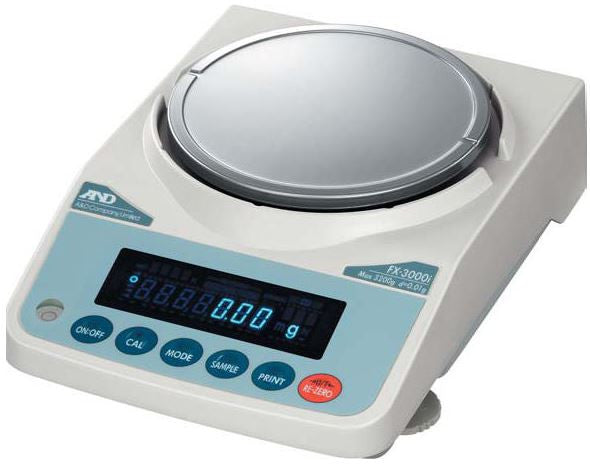
Step 3: Accurately Weigh the Silver
Once we’ve identified the silver and its purity, we use certified precision scales to determine its weight.
Weight is particularly important for items whose value is primarily based on precious-metal content.
But weight only becomes useful when considered together with purity. A given weight of sterling silver doesn’t contain the same amount of pure silver as the same weight of .999 fine silver.
For collectible, antique, or finished pieces, weight may be only one component of the evaluation.
Step 4: Look for Value Beyond the Silver Content
Not every silver item should automatically be valued for its metal content alone.
Depending on the piece, we may also consider:
- Maker or manufacturer
- Hallmarks
- Pattern
- Age
- Craftsmanship
- Condition
- Rarity
- Completeness of a set
- Collector demand
- Numismatic value for coins
This is particularly important with antique silver, estate pieces, collectible coins, complete flatware sets, and certain finished jewelry.
A large silver-plated serving piece may contain relatively little silver, while a smaller sterling or collectible item could be considerably more valuable. Appearance and size alone don’t tell us what an item is worth.
Step 5: Determine Its Current Market Value
Finally, we consider the market in which the item can actually be sold.
For silver purchased primarily for its precious-metal content, the current silver market is an important starting point. For collectible or finished pieces, we also consider the secondary market for the particular item.
This distinction helps prevent potentially collectible pieces from automatically being treated as scrap silver while also allowing ordinary precious-metal items to be valued according to their actual silver content.

We’ll explain the important factors we found and provide an offer based on the item and current market conditions.
The evaluation is free, and there is no obligation to sell.
The Equipment We Use to Evaluate Silver
Professional equipment supports the evaluation, but no single machine determines what every silver item is worth.
Depending on what you bring in, our equipment includes:
- Sigma Metalytics Precious Metal Verifier — used when appropriate to assist with precious-metal verification without damaging the item.
- Certified precision scales — used to obtain accurate weight measurements.
- Jeweler’s microscope and magnification equipment — used to examine hallmarks, maker’s marks, construction, condition, and other identifying details.
The equipment provides useful information, but identifying the item and understanding its market are equally important.
A Sigma reading, for example, doesn’t tell us whether an old silver coin has collectible value or whether a sterling serving piece was produced by a desirable maker. Those questions require examination of the item itself.
Why Two Silver Items Can Be Worth Very Different Amounts
Two pieces that look similar can have very different values.
Consider two serving spoons of approximately the same size. One might be silver plated over base metal. The other might be solid sterling silver. A third could be sterling from a desirable maker or pattern and have value beyond its silver content.
The same principle applies to coins.
Two similarly sized silver coins may contain comparable amounts of precious metal, but one could trade primarily for its silver content while another has additional collector value because of its date, mint mark, condition, or rarity.
That’s why we don’t use one formula for every silver item.
Purity and weight establish important facts about the metal. The type of item and its market determine whether there is additional value to consider.
The Different Types of Silver We Buy
Silver comes in many forms, and the best way to evaluate it depends on what you have.
Some items are valued primarily for their silver content. Others may have additional value because of their maker, design, rarity, condition, or collector demand.

Oro Express Mesa Pawn & Gold buys and evaluates silver across several major categories.
Sterling Silver Jewelry
We buy sterling silver jewelry in good condition as well as pieces that are broken, damaged, mismatched, or no longer worn.
Common items include:
- Rings
- Necklaces and chains
- Bracelets
- Earrings
- Pendants and charms
- Brooches
- Cufflinks
Most sterling jewelry is 92.5% silver, but its value isn’t necessarily determined by silver weight alone.
Depending on the piece, we may also consider the designer or manufacturer, craftsmanship, condition, gemstones, and whether the jewelry has value as a finished piece.
Broken sterling jewelry can still have value because of the silver it contains.
Sterling Silver Flatware and Serving Pieces
If you’ve inherited a box or cabinet of old silverware, you don’t need to determine what’s sterling before bringing it in.
We buy and evaluate sterling silver flatware, including:
- Place settings
- Forks, spoons and knives
- Serving utensils
- Carving sets
- Specialty serving pieces
- Matching sets
We first determine whether the pieces are sterling, another silver alloy, or silver plated.
With genuine sterling flatware, weight and silver purity are important. We also look at the manufacturer, pattern, age, condition, completeness, and collector demand when those characteristics could contribute additional value.
If you have a complete or matching set, bring it together rather than separating the pieces.
Sterling Tea Sets, Trays and Hollowware

Sterling silver has also been used to make tea and coffee services, bowls, pitchers, trays, candlesticks, serving pieces, and other household objects.
Larger doesn’t necessarily mean more valuable.
Some pieces may be weighted, reinforced, or constructed from multiple materials. Others may be silver plated rather than sterling. We examine the construction and markings before determining how the piece should be evaluated.
For genuine sterling pieces, we consider the silver content as well as the maker, craftsmanship, age, condition, and potential collector demand.
Silver Coins
We buy silver coins ranging from common silver-content coins to pieces that may have additional collector value.
Examples include:
- Morgan Silver Dollars
- Peace Dollars
- American Silver Eagles
- Pre-1965 U.S. silver coins
- Canadian Silver Maple Leafs
- Mexican Libertads
- Austrian Silver Philharmonics
- British Silver Britannias
- Other identifiable U.S. and world silver coins
Silver coins shouldn’t automatically be treated as scrap metal.
Depending on the coin, its date, mint mark, condition, rarity, and collector demand may be important in addition to its silver content.
If you’re considering selling silver coins in Mesa, bring the coins in as they are. There’s no need to remove them from holders or try to determine which ones are collectible beforehand.
Pre-1965 U.S. Silver Coins
Many U.S. dimes, quarters, and half dollars minted before 1965 contain 90% silver.
These are often called constitutional silver or junk silver, although “junk” doesn’t mean the coins are worthless.
For common circulated coins, value is often closely related to silver content and current market conditions. Individual coins can sometimes have additional numismatic value, however, so we examine the coins before determining how they should be valued.
If you’ve inherited a jar, roll, box, or collection of older U.S. coins, you don’t need to sort the silver coins yourself before bringing them in.
American Silver Eagles
American Silver Eagles deserve specific mention because they’re one of the most recognizable silver bullion coins in the U.S. market.
We buy American Silver Eagles individually and as part of larger silver collections.
When evaluating them, we consider authenticity, condition, current silver prices, and applicable market premiums. Certain dates, versions, or professionally graded coins may require additional consideration rather than being valued strictly for their silver content.
If your Silver Eagles are in original packaging, holders, tubes, or certified slabs, leave them as they are when bringing them in.
Silver Bars and Rounds
We buy silver bullion, including bars and rounds in a variety of sizes.
Bullion is generally valued much more directly from its:
- Authenticity
- Purity
- Weight
- Current silver market
- Applicable market premium
Recognized mint or manufacturer products can sometimes trade differently from generic bullion, so we identify the product rather than simply treating every ounce of silver the same.
Our Sigma Metalytics Precious Metal Verifier may be used when appropriate as part of the verification process.
Estate and Inherited Silver
An inherited silver collection can contain several completely different types of items.
A single collection might include sterling jewelry, flatware, silver coins, bullion, serving pieces, antiques, and silver-plated items.
You don’t need to identify or separate everything before bringing it to us.
We can evaluate the pieces individually and determine which are primarily valuable for their silver content and which may deserve additional consideration because of their maker, craftsmanship, age, rarity, or collector market.
This is especially important before treating older silver as scrap.
Scrap and Damaged Silver
Silver doesn’t have to be attractive or usable to retain precious-metal value.
We buy and evaluate items such as:
- Broken sterling chains
- Bent or damaged jewelry
- Single earrings
- Incomplete sterling sets
- Damaged flatware
- Worn sterling pieces
- Other scrap silver
If an item no longer has meaningful value as finished jewelry or a collectible, its silver content may still give it value.
Don’t assume something should be discarded simply because it’s damaged.
How Today’s Silver Market Affects What Your Silver Is Worth
Silver is traded globally, and its market price changes throughout the trading day. That makes the current silver price an important part of evaluating many of the items we buy.
But silver spot price isn’t the same thing as the value of every silver item.
The amount you can receive depends on what you have, how much actual silver it contains, and whether the item has value beyond its precious-metal content.
What Is the Spot Price of Silver?
The spot price is the current market price for a troy ounce of pure silver.
It provides an important benchmark for items such as:

- .999 silver bars and rounds
- Silver bullion coins
- Sterling silver jewelry
- Sterling flatware
- Scrap silver
- Other silver-content items
But the calculation isn’t simply:
Item weight × silver spot price = offer
First, we need to know the item’s actual silver content.
For example, .999 fine silver contains more silver by weight than .925 sterling silver. Silver-plated items contain only a small amount of silver on their surface and can’t be valued as though their entire weight were silver.
That’s why proper identification and purity testing come before determining precious-metal value.
When Silver Is Worth More Than Its Metal Content
Some silver items have a market beyond their silver content.
Depending on what you have, additional value may come from:
- Numismatic value
- Rarity
- Maker or manufacturer
- Pattern
- Craftsmanship
- Age
- Condition
- Collector demand
- Desirability as a complete set
This distinction is particularly important with silver coins, antique sterling, estate silver, designer jewelry, and certain bullion products.
A collectible Morgan Dollar, for example, shouldn’t automatically be valued by multiplying its silver content by the current silver price. Likewise, an antique sterling piece from a desirable maker may deserve consideration as something more than scrap metal.
Our job is to identify that distinction before making an offer.
Does the Price You Originally Paid Matter?

The original purchase price can provide useful background, but it doesn’t determine what your silver is worth today.
Silver prices change. So do bullion premiums and collector markets.
Retail prices can also include manufacturing, design, distribution, dealer costs, and retail markup that aren’t recovered when an item is later sold into the secondary market.
We therefore base our evaluation on what the silver is and what it’s worth in today’s market, rather than simply working backward from its original purchase price.
When Is a Good Time to Sell Silver?
There isn’t one answer that applies to everyone.
Silver prices move up and down, and no buyer can reliably tell you what the market will do next. If you’re deciding whether to sell, the useful question is what your silver is worth at the time you’re considering selling it.
Oro Express uses current precious-metals market information when evaluating silver. If you have bullion, sterling silver, coins, or another silver item, we can evaluate it based on current conditions and provide an offer.
You can then decide whether selling at that price makes sense for you.
There is no obligation to accept the offer.
Preparing to Sell Your Silver
You don’t need to identify, clean, or sort everything before bringing your silver to Oro Express Mesa Pawn & Gold.
In fact, with inherited or older silver, doing less can sometimes be better.
Don’t Polish Antique Silver Before an Evaluation
Tarnish generally doesn’t eliminate the precious-metal value of sterling silver.
If you have older or potentially collectible silver, we recommend leaving it in its current condition until it has been evaluated. Aggressive polishing can alter original surfaces, patina, or fine details that may matter to collectors.
There’s no need to make silver look new before bringing it in.
Keep Matching Sets Together
If you have matching pieces, bring them together whenever possible.

Examples include:
- Sterling flatware sets
- Tea and coffee services
- Matching serving pieces
- Pairs of candlesticks
- Coin sets
- Bullion in original packaging
A complete set may be evaluated differently from individual pieces, particularly when the maker, pattern, condition, or collector market is relevant.
Bring Documentation If You Have It
Paperwork isn’t required to sell silver, but certain documentation can be helpful.
This might include:
- Original receipts
- Certificates of authenticity
- Coin grading information
- Original boxes or packaging
- Estate inventories
- Previous appraisals
- Manufacturer information
Documentation doesn’t establish what an item is worth today, but it can provide useful information about its identity, history, or authenticity.
Don’t Sort an Inherited Coin Collection Yourself
If you’ve inherited coins and aren’t sure which ones contain silver or have collector value, you don’t need to figure that out beforehand.
Bring the collection together.
Older U.S. coins, foreign coins, commemoratives, bullion coins, medals, and other pieces can easily become mixed together over time. We can identify silver-content coins and look for pieces that may deserve additional consideration because of their collectible value.
This also reduces the risk of accidentally separating or disposing of something important.
Larger Silver and Estate Collections
We can evaluate individual silver items as well as larger collections containing jewelry, flatware, coins, bullion, antiques, and other silver pieces.
If you’re bringing a large inherited collection, keeping related items together can make the evaluation easier and help preserve information about sets or collections.
Walk-ins are welcome for most silver evaluations.

Frequently Asked Questions About Selling Silver
Where Can I Sell Sterling Silver in Mesa?
Oro Express Mesa Pawn & Gold buys and evaluates sterling silver at our Mesa store.
You can bring in sterling jewelry, flatware, serving pieces, estate silver, and other silver items for a free, no-obligation evaluation.
You don’t need to know the purity or weight before coming in.
How Do I Know If My Item Is Sterling Silver?
Look for markings such as Sterling, Sterling Silver, 925, or .925.
However, markings aren’t always present or easy to interpret. Older and imported silver may use different standards, and some hallmarks become difficult to read with age.
If you’re unsure, bring the item in and we’ll examine it.
What Does 925 Mean?
A 925 mark generally indicates sterling silver containing 92.5% silver.
The remaining portion consists of other metals added to improve strength and durability.
Do You Buy Broken Sterling Silver Jewelry?
Yes.
Broken chains, damaged bracelets, bent rings, single earrings, and other damaged sterling jewelry can still have value because of their silver content.
Depending on the piece, other characteristics may also contribute to its value.
Is Tarnished Sterling Silver Still Valuable?
Yes.
Tarnish doesn’t remove the silver contained in an item.
There’s generally no need to polish sterling silver before bringing it in for evaluation, particularly when the piece may be antique or collectible.
Do You Buy Silver Coins?

Yes.
We buy and evaluate silver coins including Morgan Dollars, Peace Dollars, American Silver Eagles, pre-1965 U.S. silver coins, bullion coins, and other identifiable silver coins.
We consider the silver content as well as potential collector value when appropriate.
Are Pre-1965 U.S. Coins Silver?
Many are.
U.S. dimes and quarters dated 1964 or earlier generally contain 90% silver, as do many half dollars from that period.
Rather than sorting an inherited collection yourself, you can bring the coins in and we’ll help identify what you have.
Do I Need an Appointment to Sell Silver?
No. Walk-ins are welcome during normal business hours.
For particularly large collections, an appointment can provide additional time for evaluation.
Is the Silver Evaluation Free?
Yes.
Silver evaluations are free, and there is no obligation to sell after receiving an offer.
Silver Buyer Resources
If you have a specific type of silver to sell, these related resources provide more detail about how different items are evaluated.
Silver Coin Buyer
Silver coins can have value from both their precious-metal content and the collector market.
Morgan Dollars, Peace Dollars, American Silver Eagles, older U.S. silver coins, and other silver coins may be evaluated differently depending on their date, mint mark, condition, rarity, and current demand.
Silver Bullion Buyer
Silver bars, rounds, and government-issued bullion coins are generally closely connected to the current silver market.

Purity, weight, authenticity, manufacturer, and applicable market premiums can all affect an offer.
Estate Silver Buyer
Inherited silver collections can contain a mixture of sterling jewelry, flatware, serving pieces, coins, bullion, antiques, and silver-plated items.
Evaluating the collection before separating or disposing of pieces can help identify items that may have value beyond their silver content.
Why Sell Your Silver to Oro Express?
Selling silver can be straightforward when you know what you have and how the offer is being determined.
At Oro Express Mesa Pawn & Gold, we evaluate silver in person and explain the characteristics that contribute to its value before you decide whether to sell.
When you bring us silver, you can expect:
- Free, no-obligation evaluations
- In-person evaluation at our Mesa store
- Professional precious-metal testing when appropriate
- Certified precision weighing
- Evaluation of sterling silver, coins, bullion, estate silver and other silver items
- Consideration of collector value when appropriate
- Offers based on current market conditions
- Immediate payment when you decide to sell
We don’t expect you to know whether an inherited spoon is sterling, whether an older coin contains silver, or whether a piece has collector value before you walk through the door.
Identifying what you have is part of our job.
Sell Silver in Mesa
If you have sterling silver, silver coins, bullion, flatware, estate silver, antique silver, or scrap silver that you’re considering selling, bring it to Oro Express Mesa Pawn & Gold for an evaluation.
You don’t need to polish it first, determine its purity, weigh it yourself, or find the original paperwork.
We’ll examine your silver, identify its composition, use professional testing equipment when appropriate, and consider both its precious-metal content and any additional market value the item may have.
Evaluations are free, and there is no obligation to sell.
Walk-ins are welcome during normal business hours. For particularly large collections, an appointment is recommended so we can allow additional time for the evaluation.
Bring your silver to our Mesa store and we’ll explain what you